
Eastern Bluebird

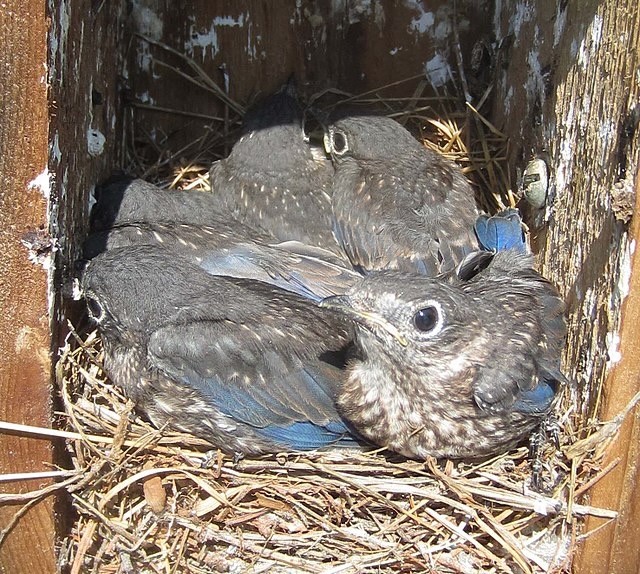
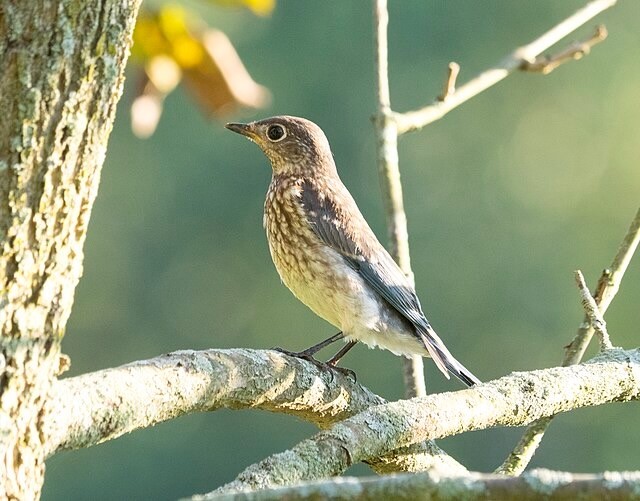
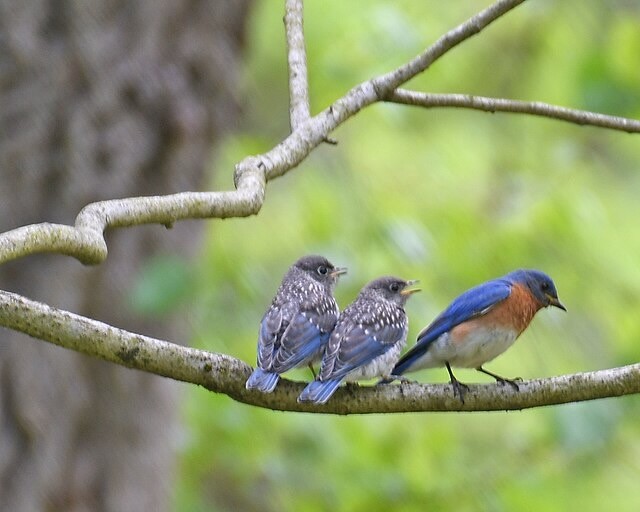

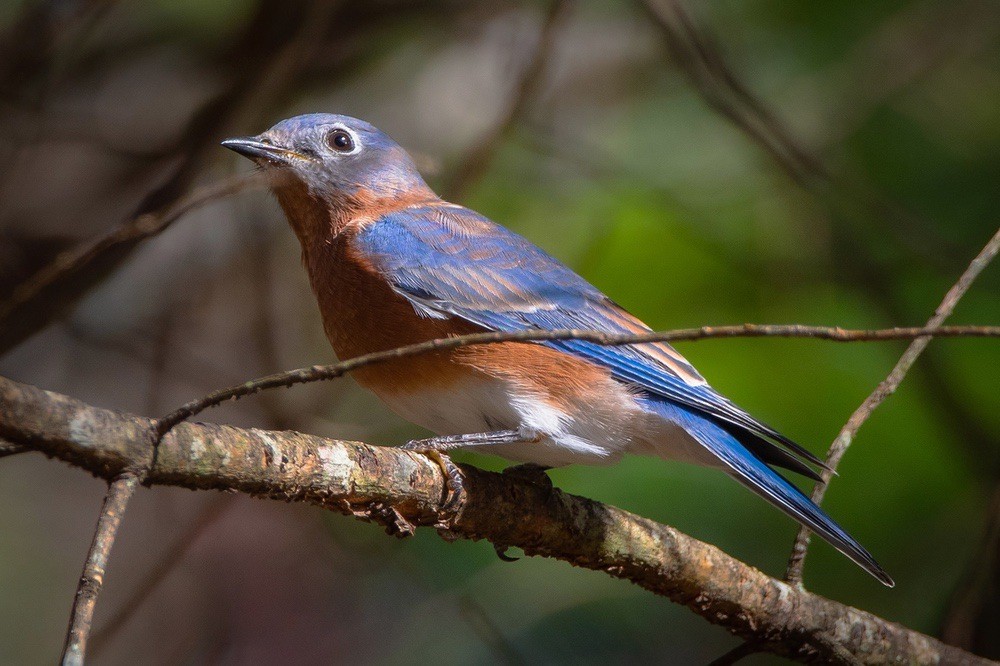
Birding records for Salter Grove go back to 2002 but the Eastern Bluebird was only reported for the first time in April of 2026. The park lacks its preferred habitat of extensive open areas with low density of shrubs and trees. Man-made habitats such as agricultural fields, golf courses, suburban parks appear to be suitable as long as nest sites are available.
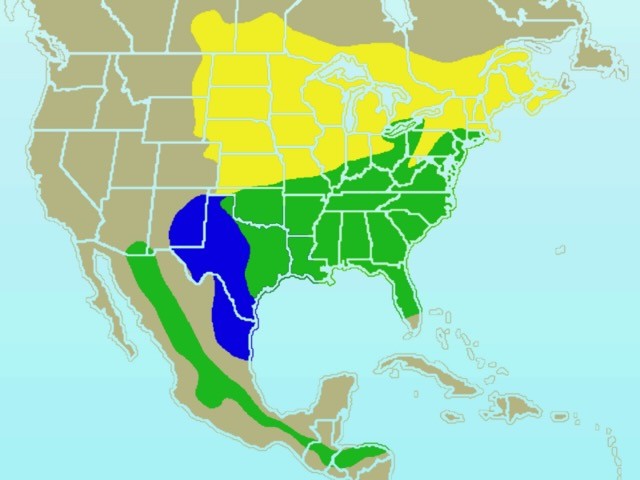
It breeds across North America east of the Rockies, ranging from southern Canada to the Gulf States and wintering as far south as Nicaragua. Northern breeding birds usually move southward after breeding. Whether a bluebird migrates far from its breeding ground primarily depends on the availability of food and shelter during the winter months.
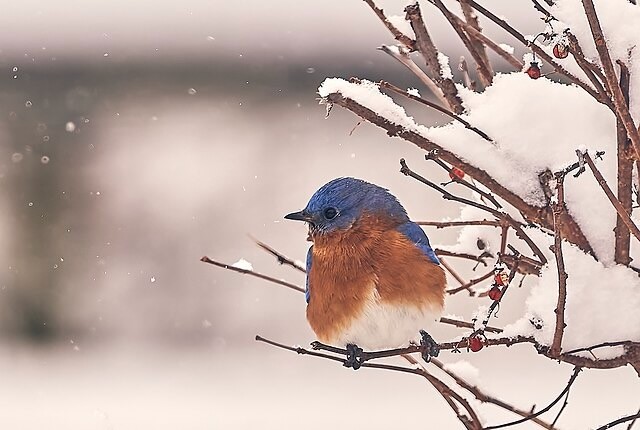
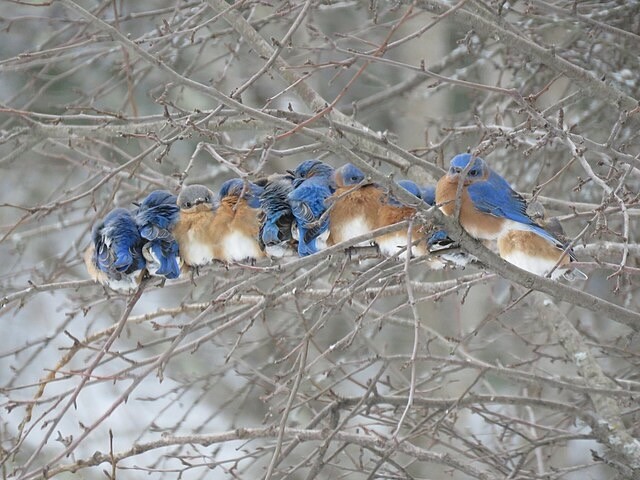
Being one of the earliest migrants to return to the breeding ground, bluebirds can be caught by snow storms in early spring. Although it is generally very territorial during breeding, large number of bluebirds will shelter together for warmth during a sudden cold spell.
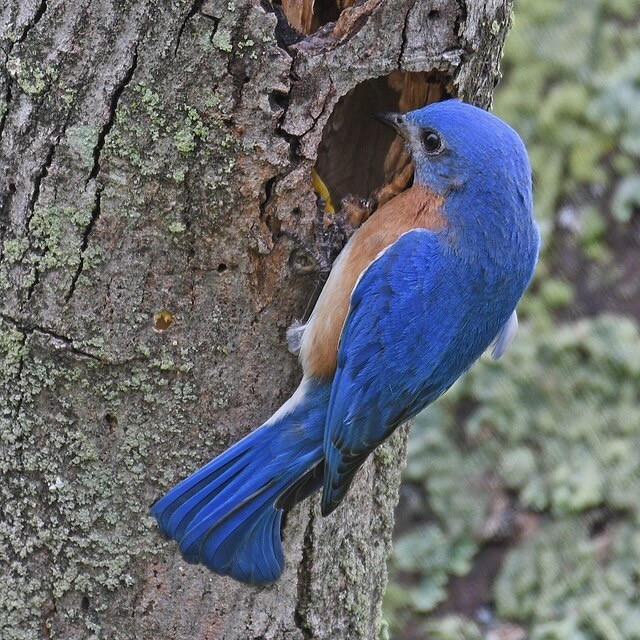
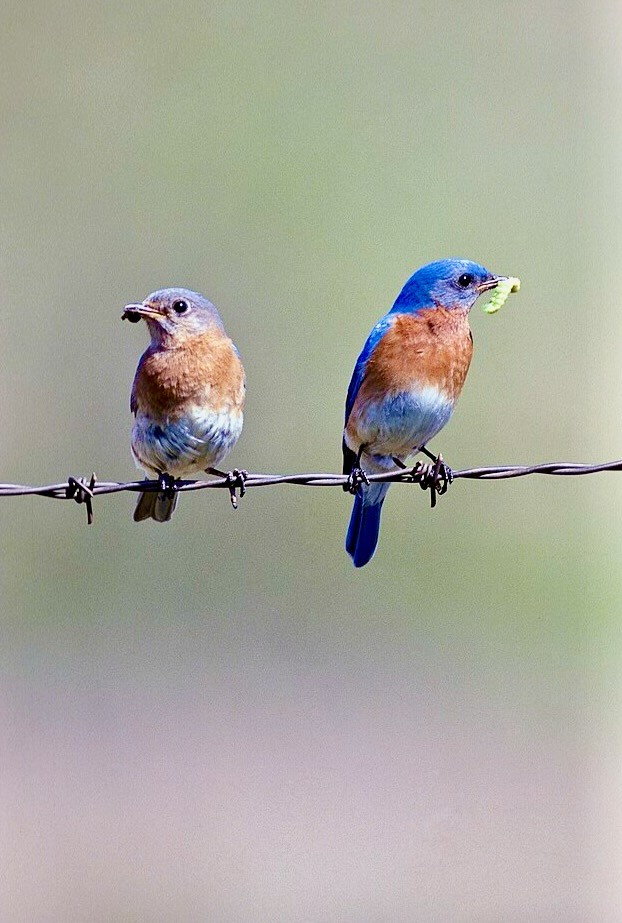
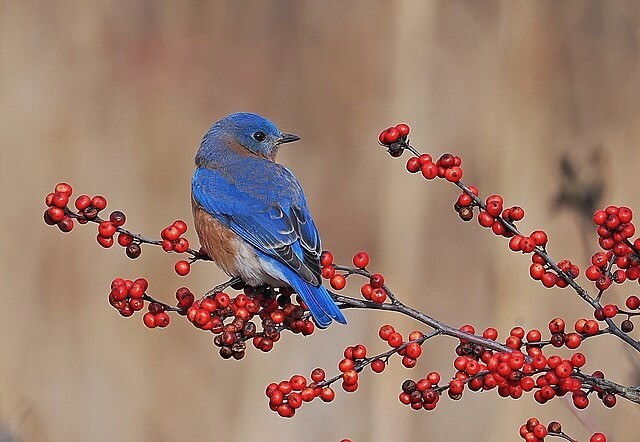
The brilliant blue plumage of the male Eastern Bluebird is highly visible as it flutters to snatch insects from the ground or in the air. Like its relative, the American Robin, the bluebird feeds mainly on insects but also includes fruits and berries in its winter diet.
The Eastern Bluebird was more abundant during colonial times when small-scaled farming practices created favorable nesting habitat. However, populations started to fall with the rise of mechanized land clearance in the 20th century. More large open spaces resulted but the the tree trunks that provided nest cavities were removed.
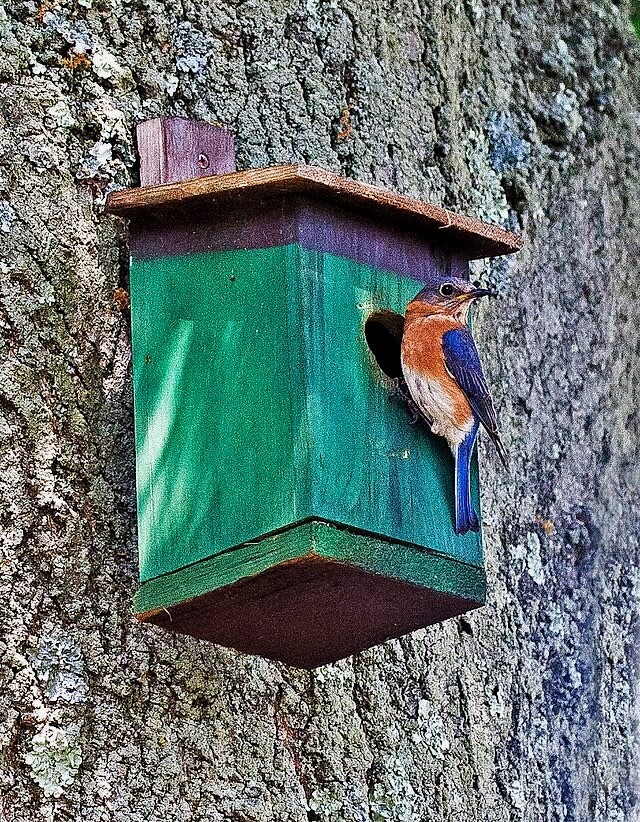
In the latter part of the 20th century, widespread campaigns to establish 'bluebird trails' with nest boxes have been effective in reversing its decline. The nest boxes have small bluebird-sized entry holes to prevent use by the larger European Starling and House Sparrow, two aggressive hole-nesting species that were introduced to North America in the 19th century.