
Wilson's Snipe
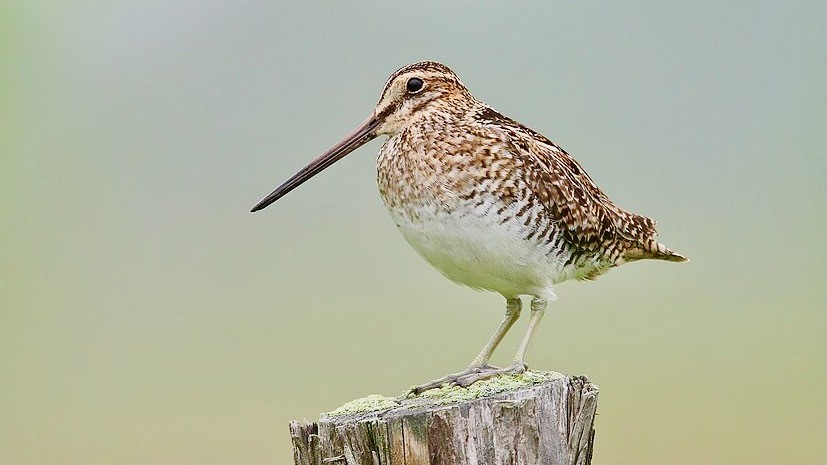
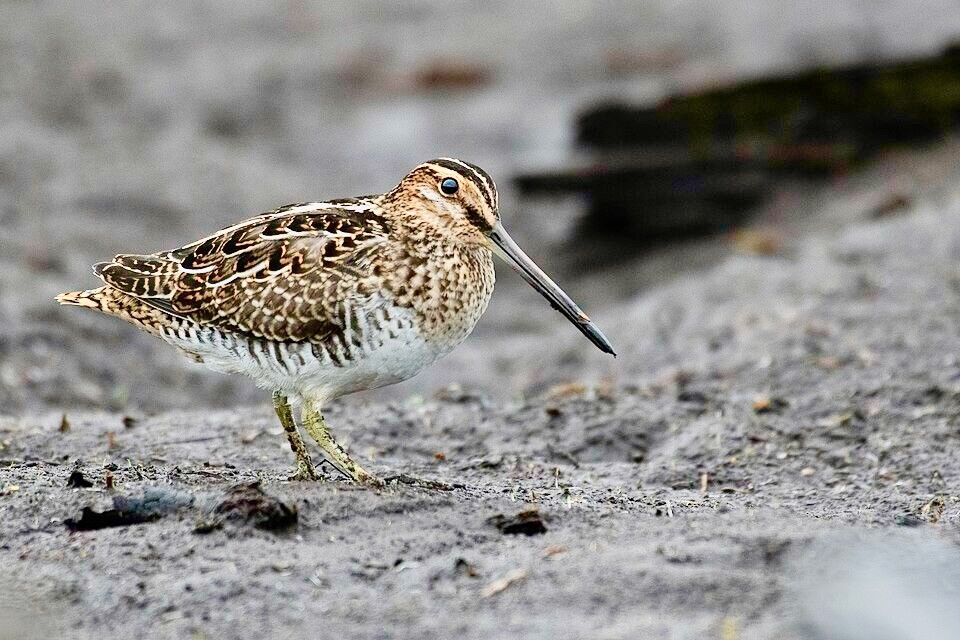
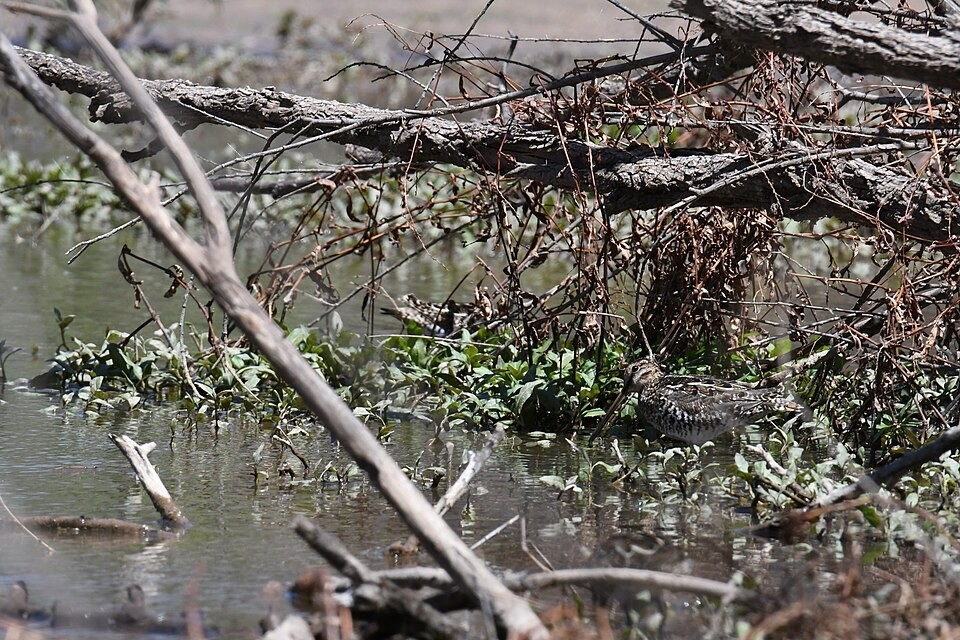
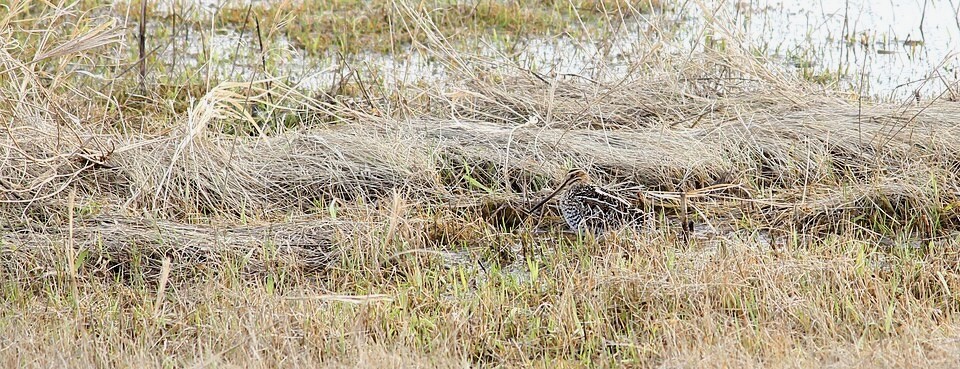
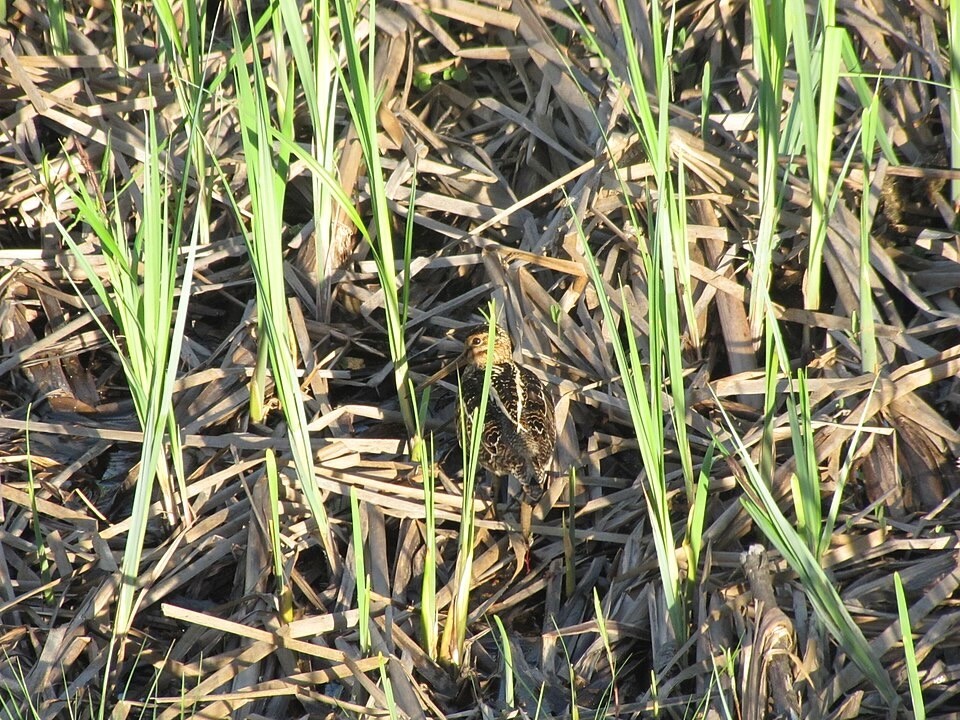
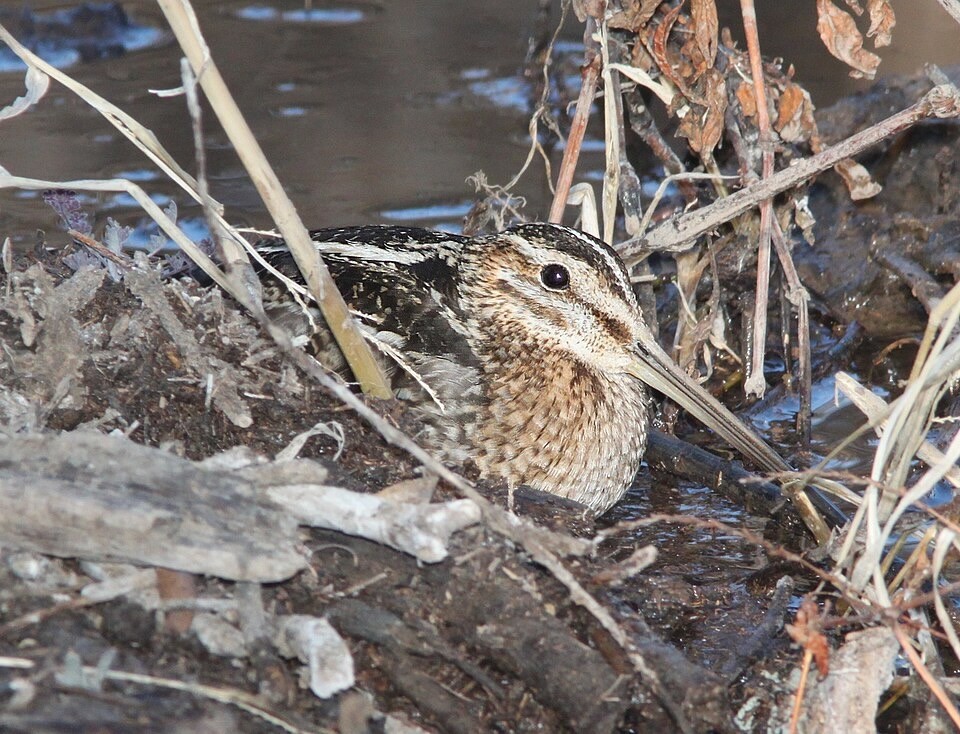
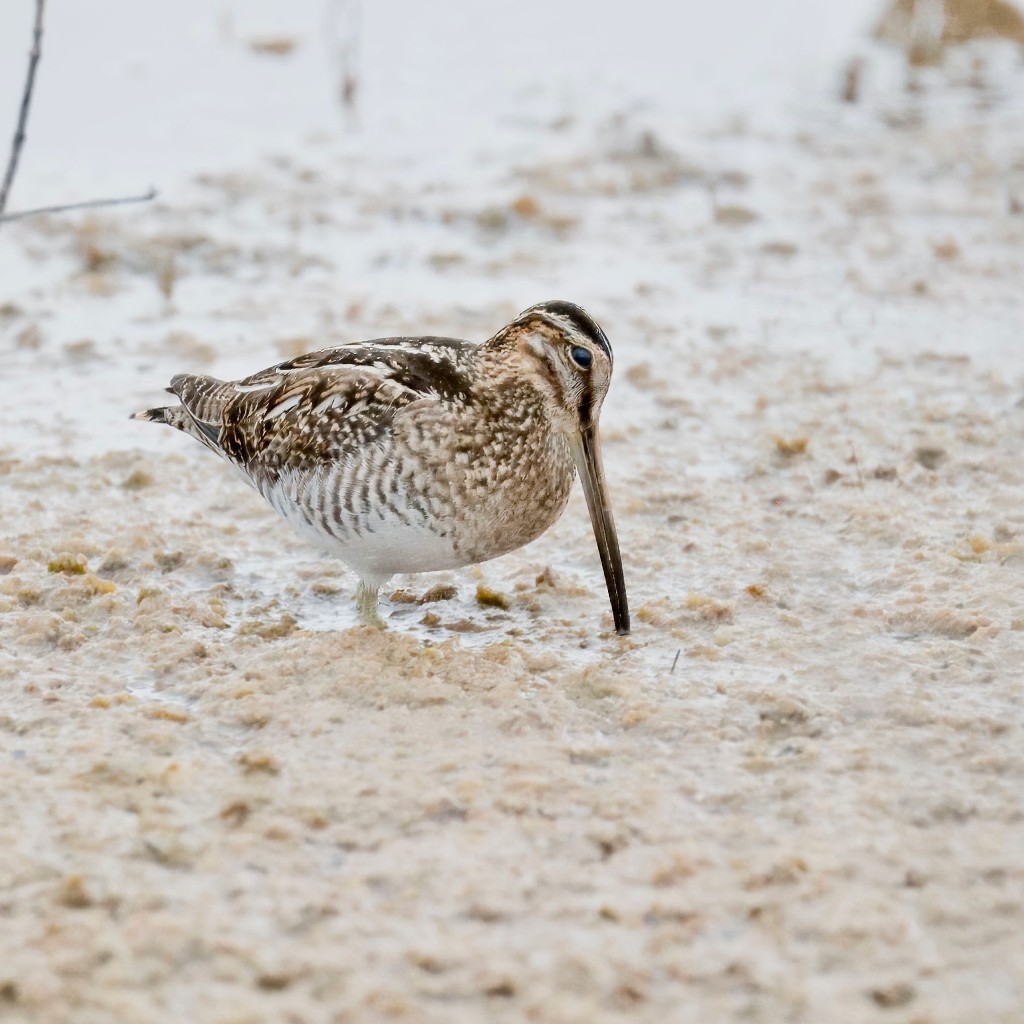
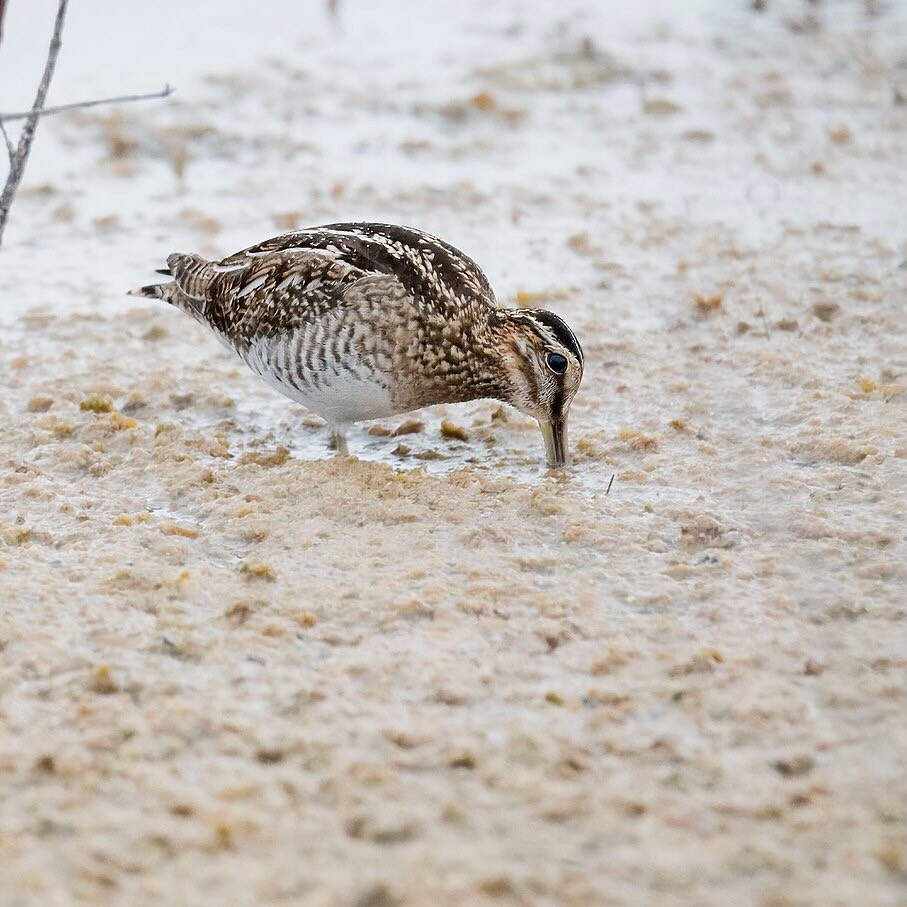

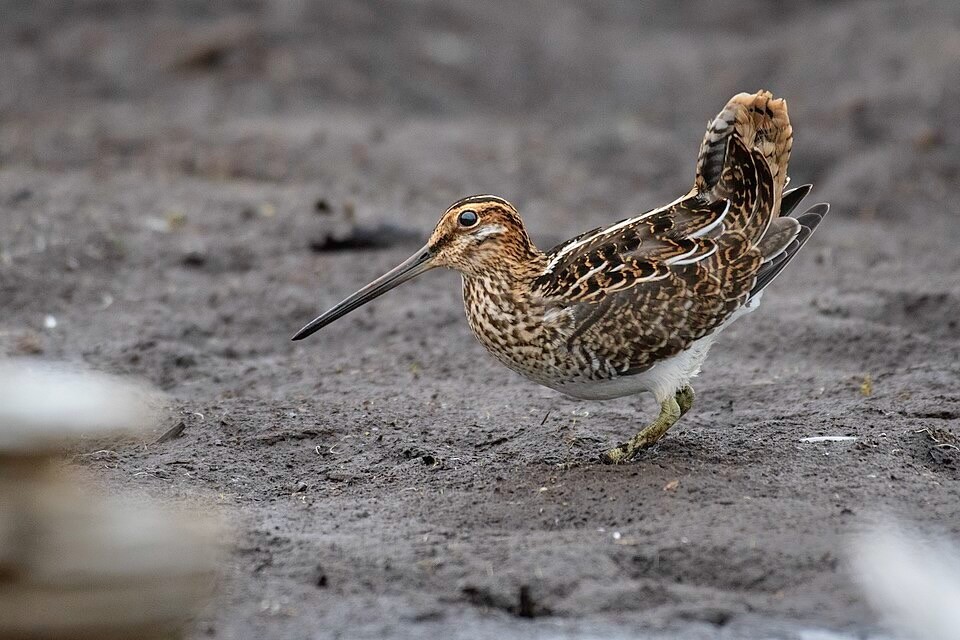
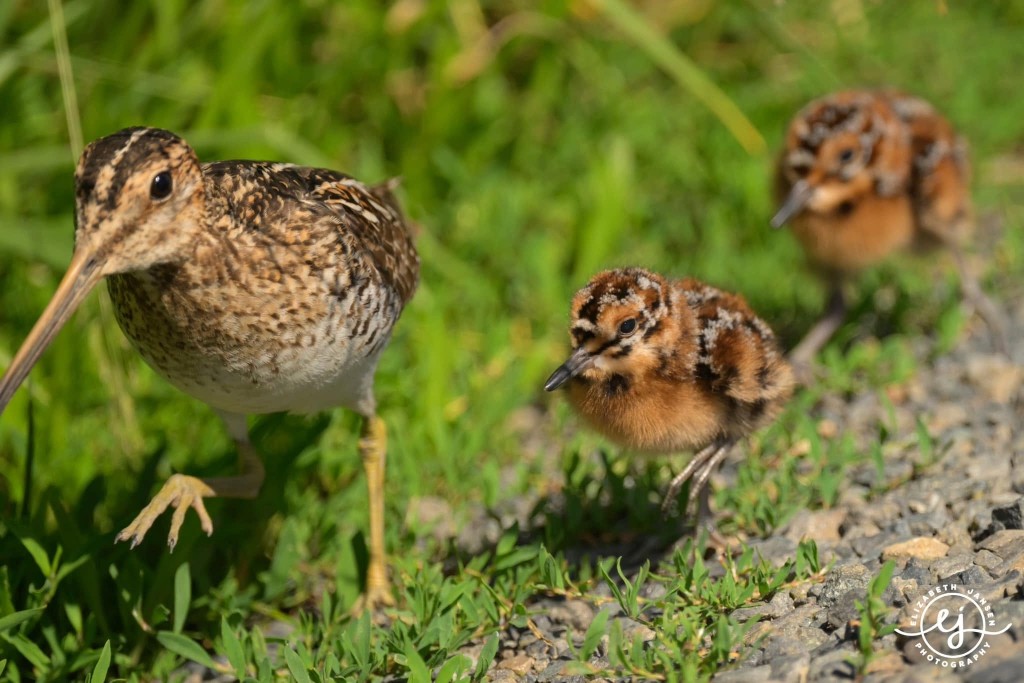
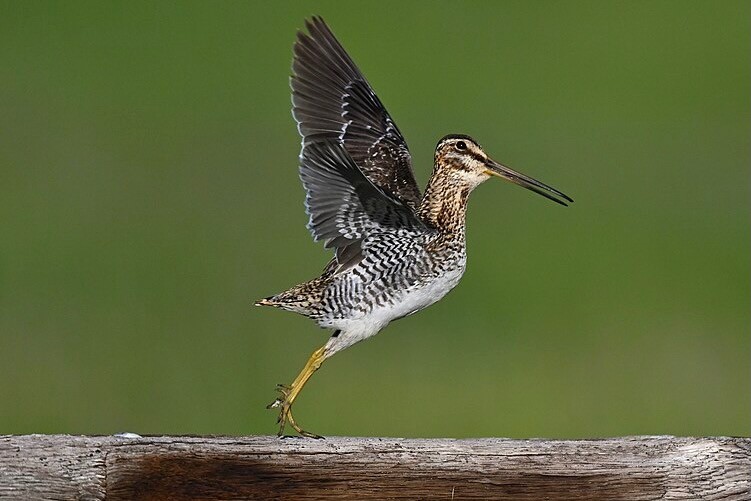
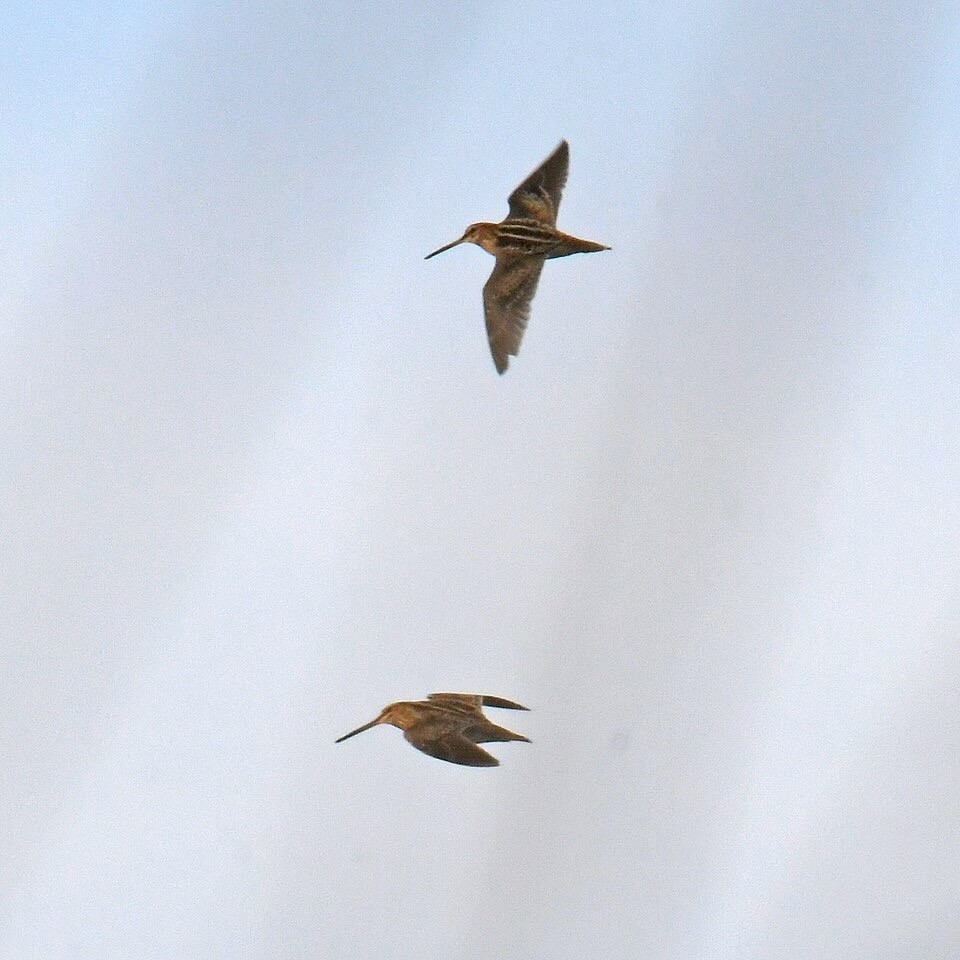
From 2002 through 2026, the Wilson's Snipe has only been reported once at Salter Grove, in April of 2021, on the basis of its call. This rather chunky sandpiper is probably not as rare as records might indicate because its cryptic plumage would render it practically invisible within the park's low shoreline vegetation.
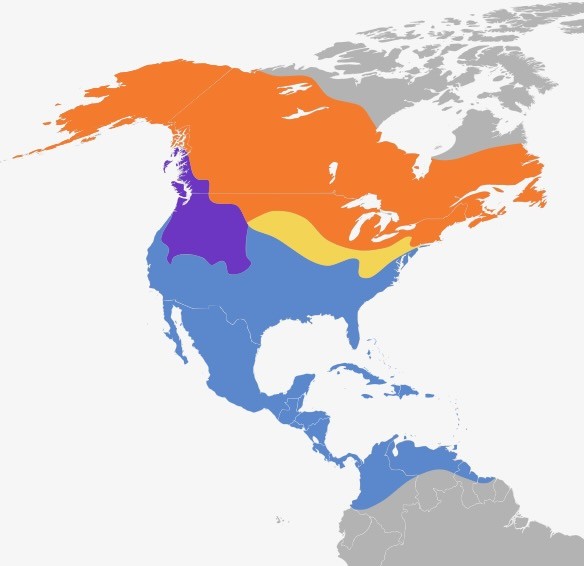
The Wilson's Snipe breeds across northern North America in wetland habitats with low emergent vegetation such as fields, marshes, swamps, and edges of rivers and ponds. Because it is morphologically restricted to feeding in mud beneath shallow water, northern populations move southwards after the breeding season. Fall migrants may travel all the way to northern South America to avoid feeding areas that would freeze during the colder months.
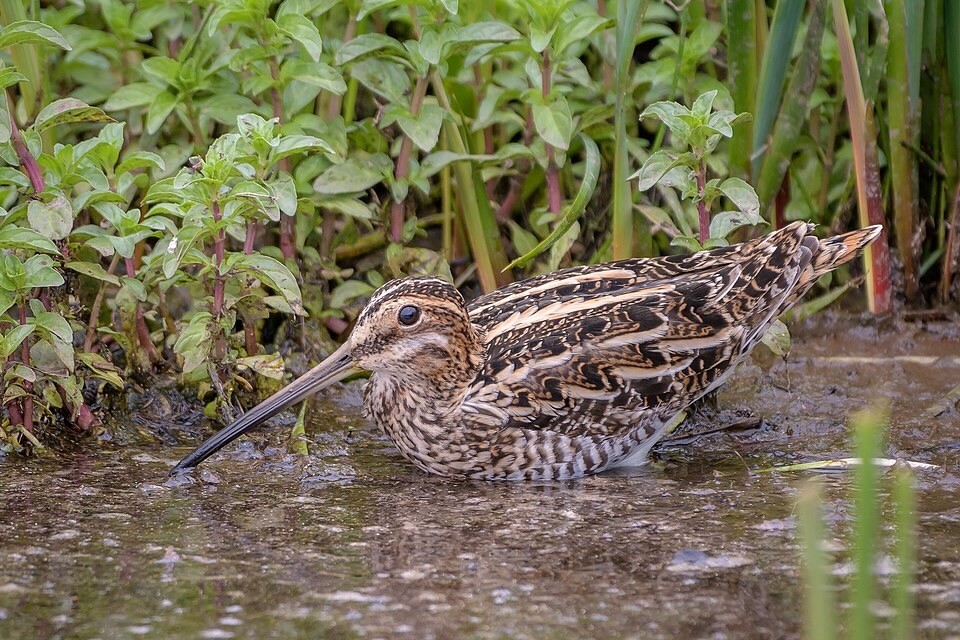
Its distinctively long and flexible bill is adapted for probing in soft mud for small aquatic invertebrates such as crustaceans, insect larvae (beetles, bugs, crickets, deer flies, dragonflies, grasshoppers), snails, and worms. Prey items encountered at the tip of the long beak are easily moved upwards to be swallowed without the bill having to open or leave the mud.
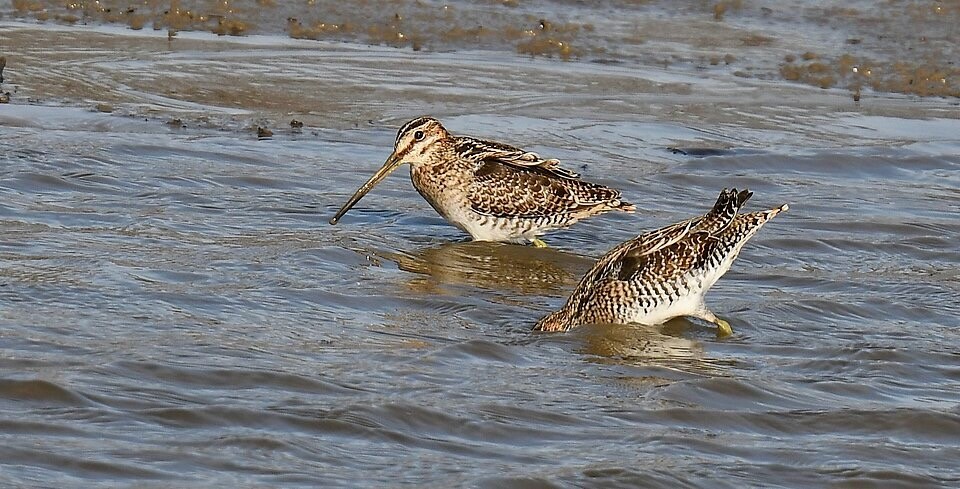
The placement of its eyes far back on its head allows for early detection of overhead predators such as Cooper's Hawk, Merlin, Northern Harrier, and Peregrine Falcon. When foraging in the company of other snipes--presumably also watchful companions--individuals will at times submerged not only the entire head and neck but even part of the back into the muck.
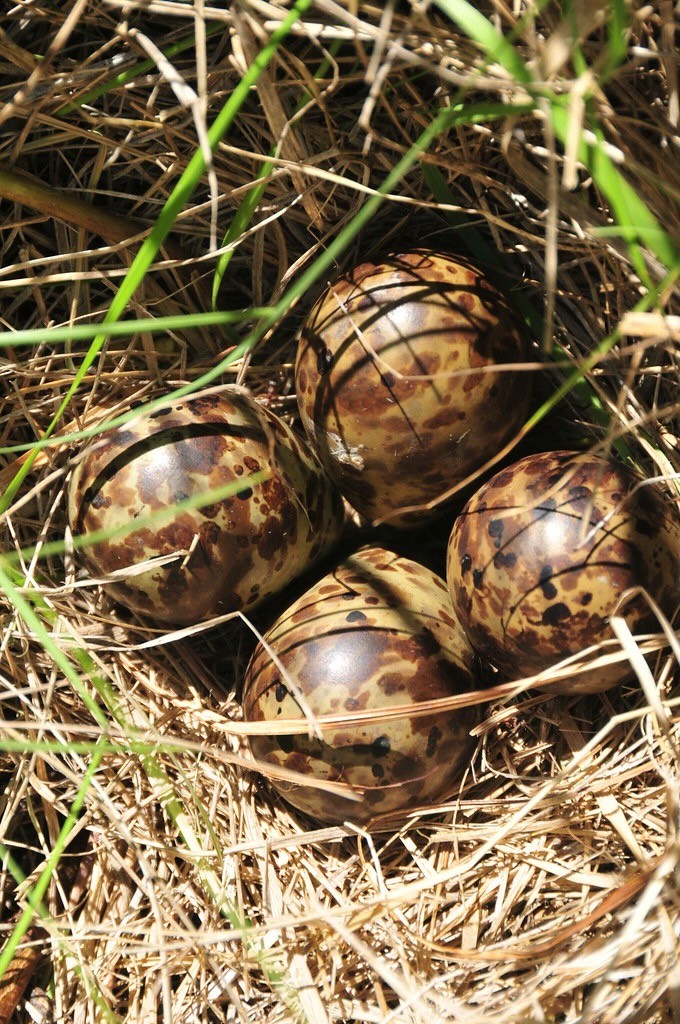
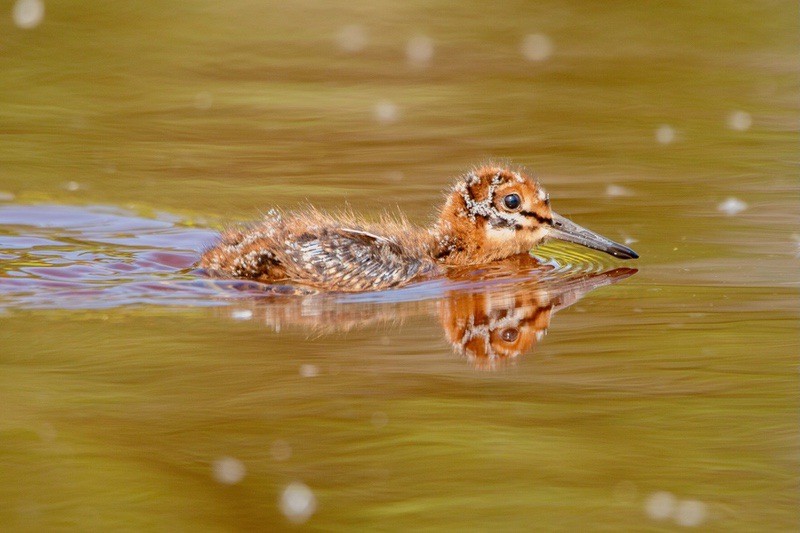
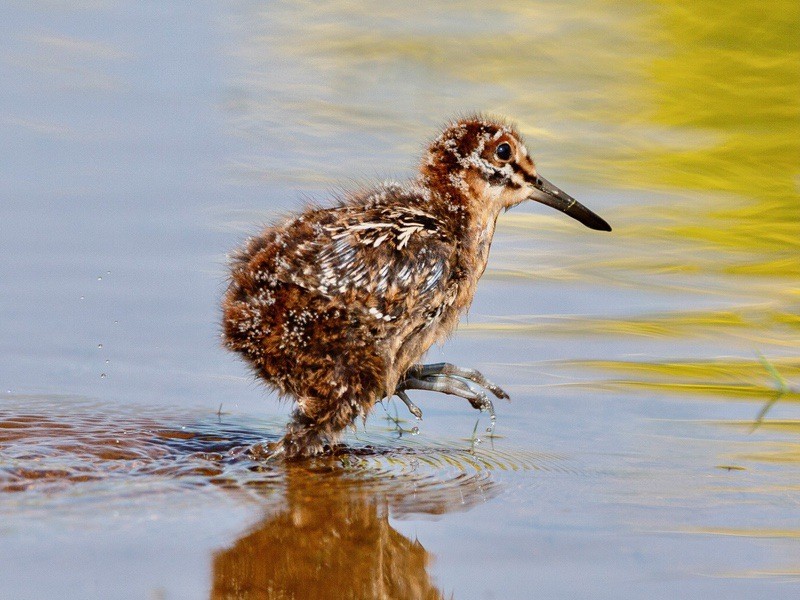
The female Wilson's Snipe is solely responsible for building the nest, and incubating a clutch of up to four eggs. The male leads away the first two hatchlings leaving the remaining chick(s) with the female. Thereafter, the parents go their separate ways but will each provide pre-masticated food to their respective charges for several weeks until they can feed independently.
In the late 18th century, British soldiers in India sharpened their shooting skills by hunting snipe because it has a highly erratic zig-zagging flight when escaping predators. Thus, the verb "to snipe" was born to refer to this challenging pastime. To this day, the term "sniper" refers to a shooter with great marksmanship.
The snipe's large breast muscle--25% of total body weight--that powers its flight from predators and its migration made it a popular game bird for the pot historically. Between 2019 and 2021, as many as 93,000 snipes were hunted annually in the United States, but mostly for sport rather than for food.